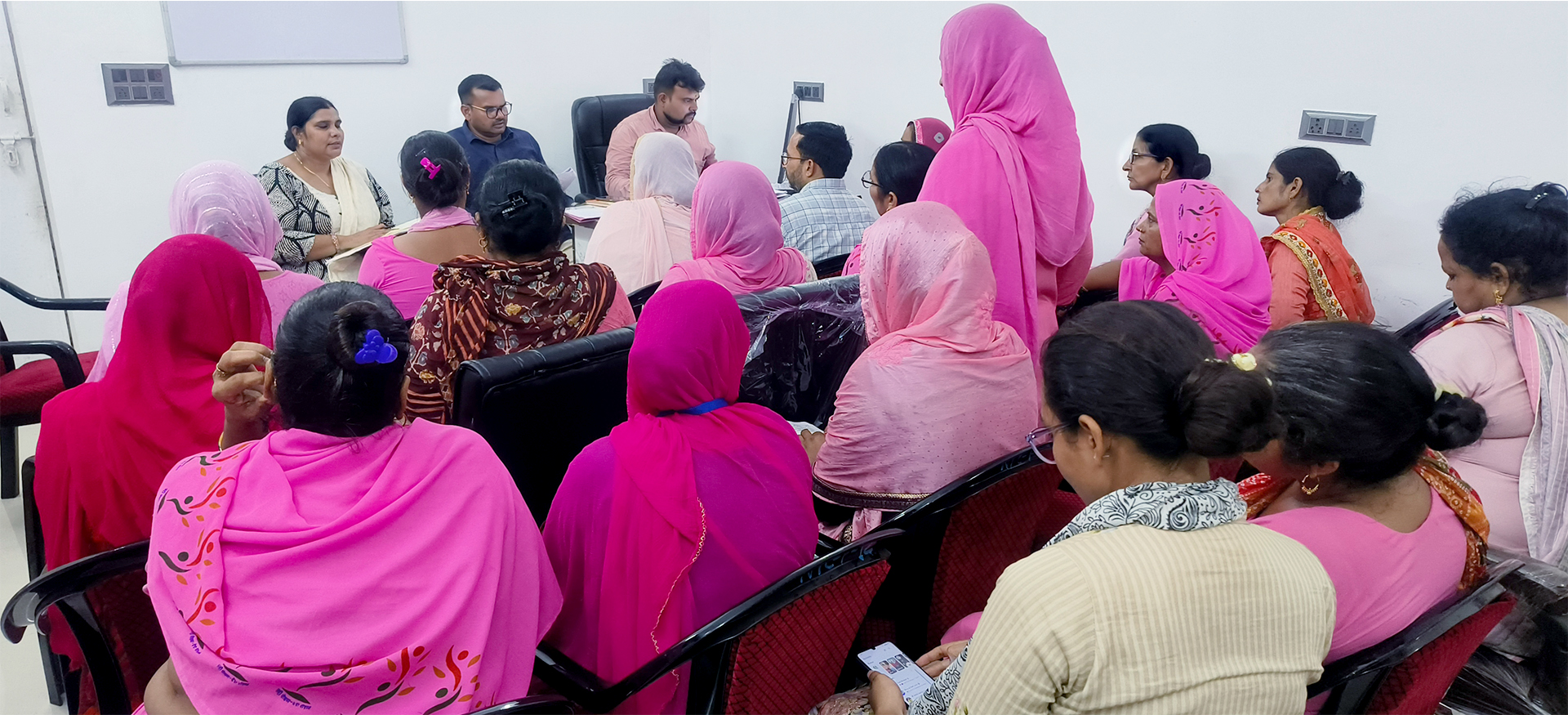
Health frontline workers play a vital role in improving public health outcomes at the grassroots level. In districts like Sambhal, the District Planning & Monitoring Unit (DPMU) works closely with health frontline workers to strengthen planning, monitoring, and implementation of health programmes.
Who Are Health Frontline Workers?
Health frontline workers include ASHA, ANM, Anganwadi Workers, and Health Supervisors. They are the first link between the community and the health system. Their responsibilities include maternal and child health care, immunization, nutrition services, family planning, and awareness generation on disease prevention.
Role of DPMU in Supporting Health Frontline Workers
DPMU provides technical and monitoring support to frontline workers by:
-
Collecting and analyzing health data
-
Monitoring key health and ICDS indicators
-
Supporting district health planning
-
Identifying gaps in service delivery
This data-driven approach helps improve efficiency and ensures timely decision-making at the district level.
Health and ICDS Programme Monitoring
Under various Health and ICDS programmes, DPMU tracks indicators related to:
-
Maternal and child health
-
Immunization coverage
-
Nutrition and growth monitoring
-
Anemia and institutional deliveries
Regular reviews and dashboards prepared by DPMU help district administration take corrective actions and improve service delivery.
Coordination and Capacity Building
DPMU ensures effective coordination between the Health Department, ICDS, and other line departments. Feedback from health frontline workers is incorporated into district plans, making policies more practical and community-focused. This coordination also supports training, supervision, and performance improvement of frontline staff.
